





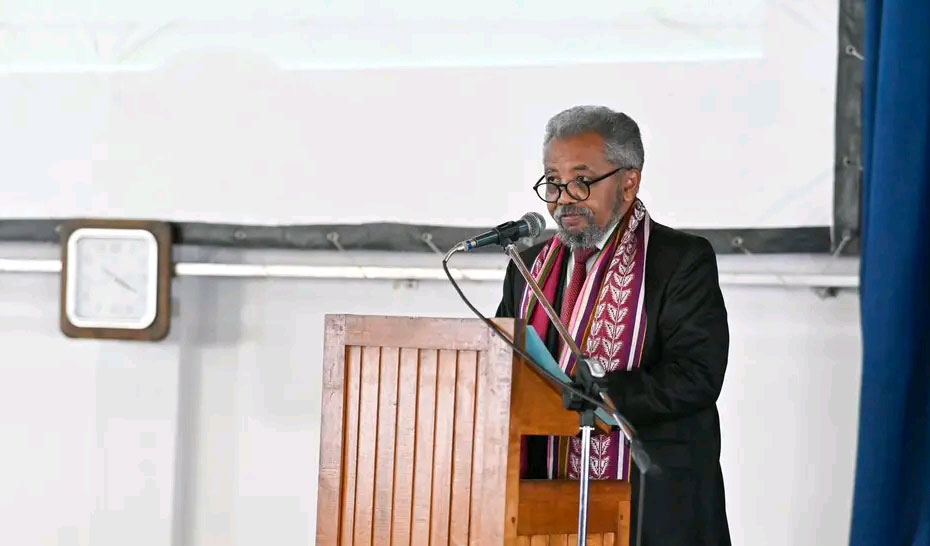
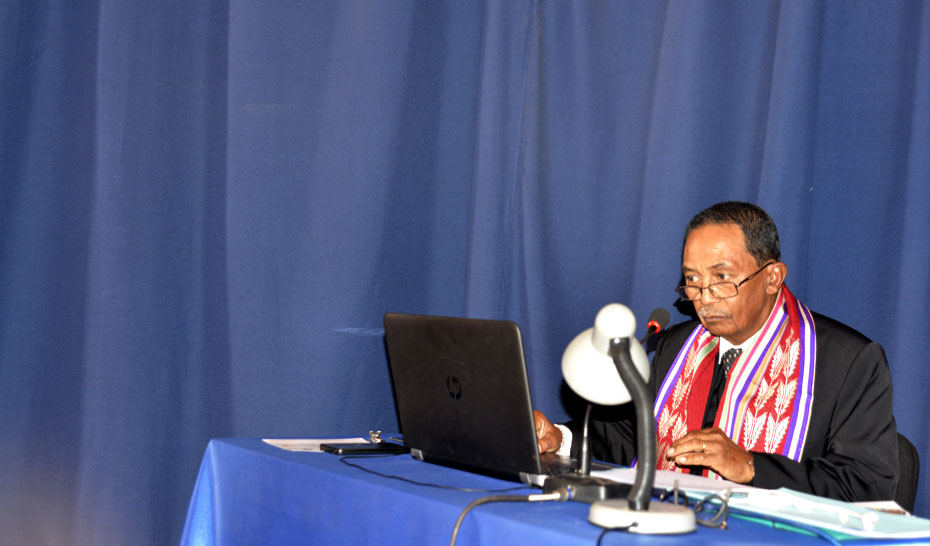
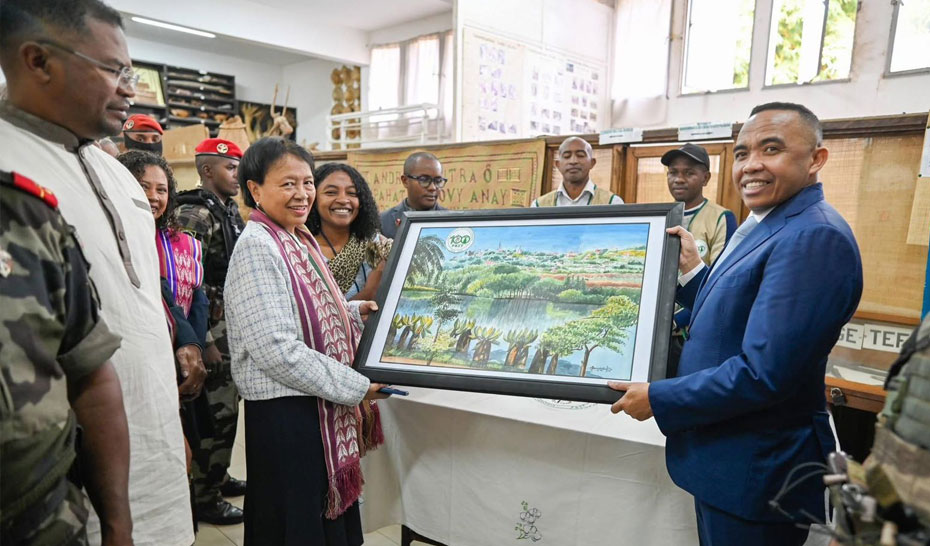
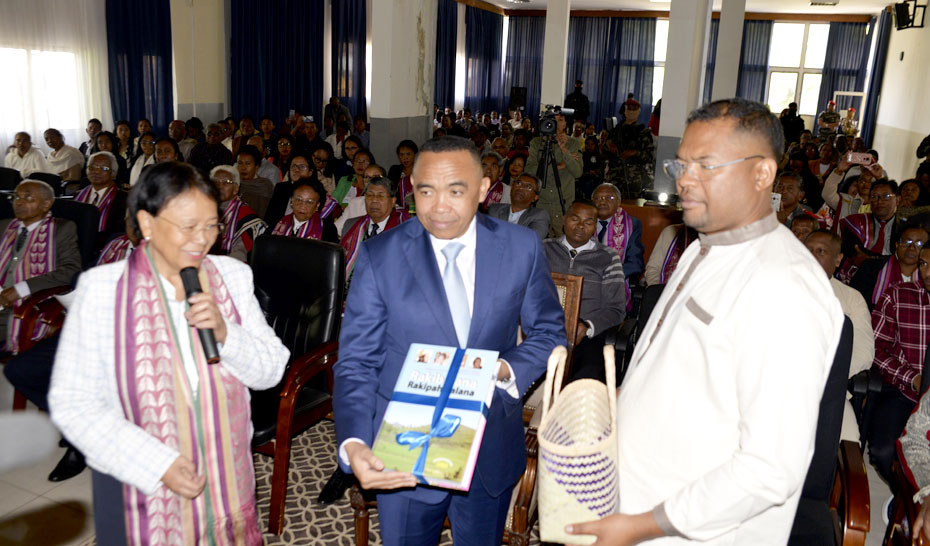

The implementation of oil exploitation in Tsimiroro.
RAMBININTSOA Tahina Michel, RASAMIMANANA Georges, MARA Edouard Remanevy
 The oil exploitation project in Tsimiroro is complex. Its implementation requires a multidisciplinary approach to manage the project and optimise
productivity in terms of quantity and time. Madagascar does not yet have the necessary experience in oil exploitation, both administratively and
socio-economically. However, this exploitation should be beneficial for the Malagasy people, not only by putting an end to load shedding, but also
by becoming a lever for the country's economic development, enhancing the value of our assets.
The oil exploitation project in Tsimiroro is complex. Its implementation requires a multidisciplinary approach to manage the project and optimise
productivity in terms of quantity and time. Madagascar does not yet have the necessary experience in oil exploitation, both administratively and
socio-economically. However, this exploitation should be beneficial for the Malagasy people, not only by putting an end to load shedding, but also
by becoming a lever for the country's economic development, enhancing the value of our assets.
For Madagascar, this oil project is of national interest and represents an opportunity to exercise our sovereignty. Exploitation will lead us towards
energy and financial independence by developing our oil reserves. It is therefore essential that the Malagasy side creates an environment conducive to
the execution of the project and ensures its multisectoral coordination within the government. In order to carry out the project, it is important for
our country to bring financial shareholders and technical partners with international experience in the field of oil exploitation into the ‘Madagascar
Oil company’. Furthermore, our implementation plan should refer to benchmarking from countries with situations similar to that of Madagascar.
Key-words:
Tsimiroro, sovereignty, exploitation, oil
19/02/2026
Ny anjara toeran’ny tantara eo amin’ny fanorenana fiarahamonina manandratra ny fahasamihafana.
RATONGAVAO Charles Raymond
 Facing the danger that may arise from perceiving differences in society as a source of conflict, history plays a significant role, as long as you
properely respect its requirements, that is telling the truth about one side or the other. History brings benefits to the human community whenever
it practices its impartiality. It highlights all aspects of social life, not only what serves the ideology of one side. In such a framework, society
adopts a culture of diversity, an inexorable path toward a better shared living. The Malagasy fihavanana will benefit from it. Others, or those who
do not share the same views, are not regarded as enemies but are seen as partners who make a valuable contribution to the development of society.
Such a culture will make it possible, in political life, to block the path of any attempt to establish a single way of thinking.
Facing the danger that may arise from perceiving differences in society as a source of conflict, history plays a significant role, as long as you
properely respect its requirements, that is telling the truth about one side or the other. History brings benefits to the human community whenever
it practices its impartiality. It highlights all aspects of social life, not only what serves the ideology of one side. In such a framework, society
adopts a culture of diversity, an inexorable path toward a better shared living. The Malagasy fihavanana will benefit from it. Others, or those who
do not share the same views, are not regarded as enemies but are seen as partners who make a valuable contribution to the development of society.
Such a culture will make it possible, in political life, to block the path of any attempt to establish a single way of thinking.
Key-words:
03/07/2025